What is benefits administration software?
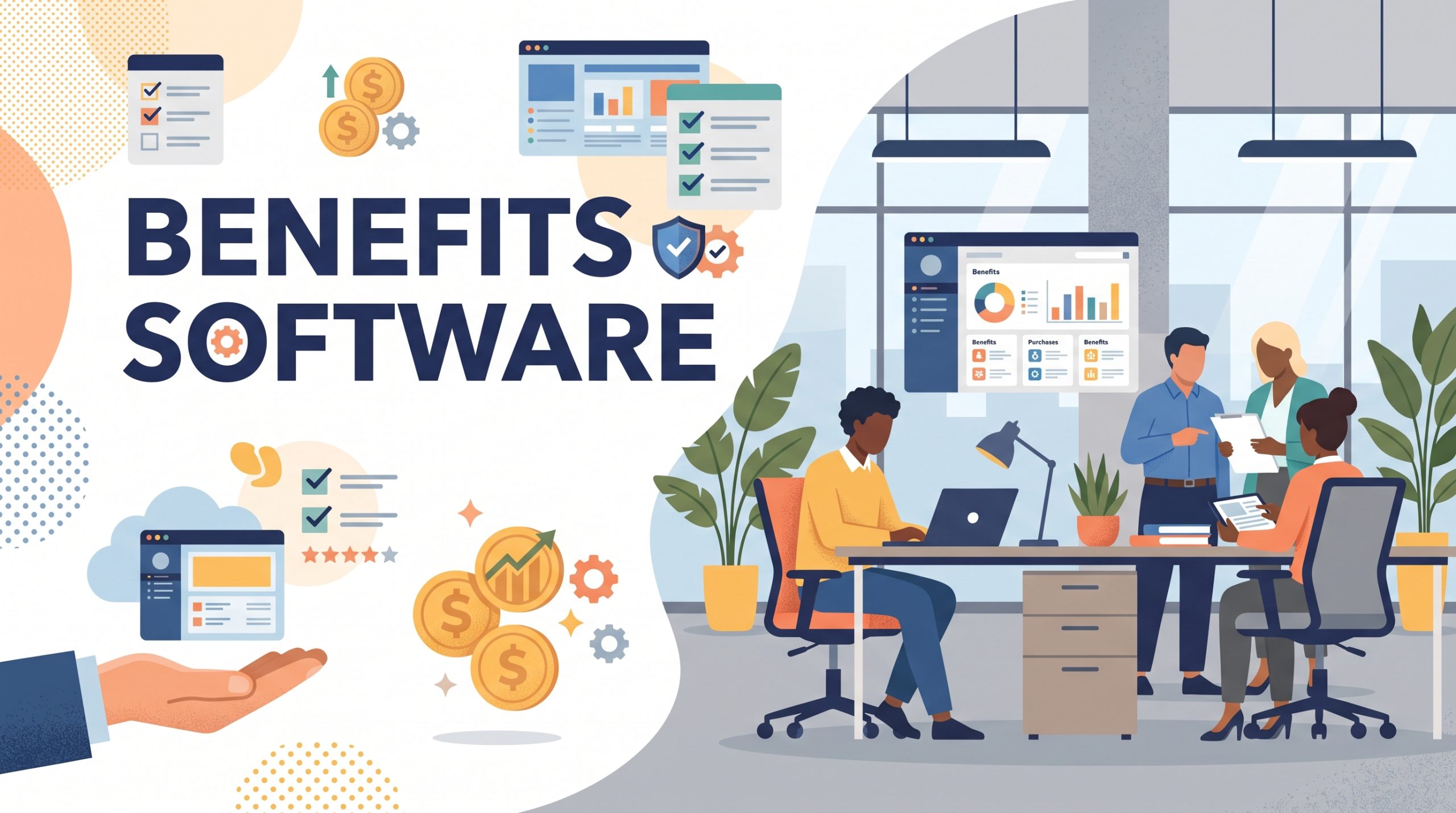
Benefits administration software is the system your HR team uses to manage employee benefits from enrollment through the entire plan year. It handles open enrollment, new hire eligibility, qualifying life events, carrier connections, COBRA, ACA reporting, and the day to day changes that keep coverage accurate.
For a small business, a spreadsheet and a few carrier portals can just about hold together. For a midsize employer, somewhere between 100 and 1,000 employees, that approach quietly breaks. You have too many carriers, too many payroll deductions, and too many compliance deadlines to manage by hand. This guide walks through how to evaluate benefits administration software when you are past the small business stage but not yet a Fortune 500 with a dedicated benefits department.
Why midsize is its own category
Most software is built for one of two extremes. The lightweight tools assume you have a handful of plans and a simple payroll feed. The enterprise platforms assume you have a benefits team, an implementation budget, and months to configure workflows.
Midsize employers sit in the gap. You have real complexity, multiple carriers, union or hourly populations, and genuine compliance exposure, but you do not have the staff to run an enterprise platform on your own. The right question is not only “which software has the most features” but “which model gives my small team the most leverage.”
The five things that actually matter
1. Carrier connections and EDI
The single biggest source of manual work in benefits administration is moving data between your system and your insurance carriers. Good software maintains EDI file feeds so enrollment changes flow to carriers automatically, without someone rekeying them. Ask any vendor how many carrier connections they maintain, how new connections are built, and who owns the file when something breaks. This is where most of the hidden labor lives.
2. Payroll and HRIS integration
Benefit deductions have to match payroll to the penny. Look for a platform that syncs elections and deductions with your payroll or HRIS system rather than forcing a manual export each cycle. A clean two way connection prevents the reconciliation headaches that eat up HR time every pay period.
3. Compliance built in
Midsize employers cross the thresholds that trigger federal requirements. Your software should support ACA reporting and 1095 generation, COBRA administration, and qualifying life event tracking as core functions built into one system, not standalone add ons you assemble and keep in sync yourself. COBRA in particular is far safer when it is driven by the same eligibility data as the rest of your benefits, because it is triggered by the same events. Compliance that is baked into the workflow is far safer than compliance you remember to run across separate tools.
4. The employee experience
Open enrollment is the one time a year every employee touches your benefits system. If it is confusing, your HR inbox fills with questions and your participation numbers suffer. Evaluate the enrollment flow the way an employee would: on a phone, with no training, deciding between plans. Decision support tools that help people choose the right plan pay for themselves in fewer support tickets.
5. The service model
This is the factor buyers underweight and later regret. Some vendors hand you a login and wish you luck. Others provide a service team that handles carrier setup, EDI maintenance, and year round support. For a lean midsize HR team, the service model often matters more than the feature list, because software you cannot fully staff is software you do not fully use.
Software only versus managed service
There are two ways to buy benefits administration:
- Software only. You license the platform and run it yourself. This works when you have benefits expertise in house and want full control.
- Managed service. You get the platform plus a team that runs the heavy lifting: carrier connections, EDI feeds, compliance filings, and ongoing support. This works when your HR team is small and stretched.
Midsize employers frequently start with software only, discover how much administration the platform still requires, and move toward a managed model. It is worth pricing both from the start so you are comparing total effort, not just license cost.
A simple evaluation checklist
Before you sign, confirm the vendor can answer yes to each of these:
- Maintains direct EDI connections to your specific carriers
- Syncs deductions with your payroll or HRIS
- Handles ACA reporting and 1095 forms
- Administers COBRA within the same system
- Tracks qualifying life events with documentation
- Offers a mobile friendly enrollment experience
- Provides named support, not just a ticket queue
- Publishes a realistic implementation timeline
How BenefitWerks fits
BenefitWerks was built for exactly this midsize gap. We pair a modern benefits administration platform with a service team that owns carrier connections, EDI file feeds, and compliance, so a small HR staff can run benefits like a much larger one. If you want to see how that model would work for your headcount and carrier mix, request a demo and we will walk through it with your actual plans in mind.